
Choosing the right stapling technology requires an understanding of how device design matches surgical anatomy. Circular stapler surgery is widely associated with procedures that require circular tissue connection, especially where tubular structures need to be reconstructed through anastomosis.
Unlike linear closure systems that create a straight staple line, circular staplers are designed around a circular configuration. This design allows the device to create a ring-shaped staple line, making it suitable for specific anatomical applications where maintaining lumen continuity is important.
For hospitals, surgical centers, and medical distributors, evaluating a circular stapler is not only about selecting a device size. Buyers should consider the relationship between surgical anatomy, procedure type, access method, and product configuration. Understanding circular stapler use helps healthcare organizations select suitable solutions for gastrointestinal, colorectal, bariatric, and other related procedures.
The main reason circular stapler surgery is suitable for certain procedures is the anatomical structure of the tissue being connected. Many areas of the gastrointestinal tract have tubular characteristics, meaning a circular closure method can better match the intended reconstruction requirement.
A circular stapler creates a circular staple line that connects two tissue ends. This configuration is commonly considered for applications involving:
Tubular structures
Gastrointestinal tract reconstruction
End-to-end anastomosis
Circular staple line formation
The design principle behind circular stapling is different from other stapling methods. Instead of focusing on a straight closure line, the device creates a circular arrangement of staples around the tissue connection area.
For circular stapler use, the important consideration is whether the circular configuration matches the intended surgical application. The device should be selected according to anatomical requirements rather than simply based on product availability.
For medical procurement teams, understanding this relationship helps avoid treating all surgical staplers as interchangeable products. Different stapler designs exist because different tissue structures require different closure approaches.
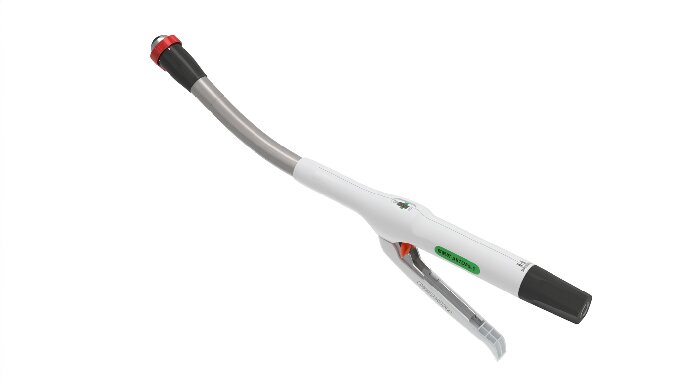
Anastomosis is the process of connecting two tissue sections to restore continuity. In circular stapling applications, the device design supports this connection through a circular staple formation.
The basic principle can be understood as:
Two tissue ends → Alignment → Circular stapling → Anastomosis
A circular stapler creates a ring-shaped staple pattern that supports tissue approximation around the connection area. This design is especially relevant when the surgical objective involves maintaining a continuous pathway within tubular structures.
Several concepts are closely related to circular stapling performance:
Tissue approximation
Circular staple ring formation
Circular closure structure
Lumen continuity
For healthcare buyers, understanding this principle is valuable because it explains why circular staplers are selected for certain procedures while other stapler types are used for different closure requirements.
The selection process should focus on matching the device configuration with the intended anatomical application, rather than selecting products only according to general stapling capability.
The application range of circular stapler use is closely connected with gastrointestinal anatomy and reconstruction requirements. Different surgical specialties may require circular stapling solutions because of the structure and location of the tissue involved.
Common application areas include:
Colorectal anastomosis
Intestinal resection
Gastric procedures
Esophageal procedures
Bariatric surgery
In colorectal procedures, circular staplers are often considered where a circular connection is required after tissue resection. The choice of device depends on factors such as anatomical location, procedure requirements, and selected diameter.
Gastrointestinal and gastric procedures may also involve circular stapling applications where controlled tissue connection is needed. Bariatric procedures represent another area where circular stapler configurations may be considered depending on the surgical approach.
For hospitals managing multiple surgical departments, understanding different application scenarios helps create a more effective procurement strategy. Instead of purchasing based only on one common model, healthcare organizations can evaluate product options according to actual procedure needs.
CAK Medical circular stapler products are designed for applications including intestinal resection, anastomosis, and bariatric procedures, supporting different surgical requirements through multiple configurations.
A laparoscopic circular stapler is designed for procedures where minimally invasive access creates different requirements for device handling and surgical workflow.
Compared with traditional open procedures, minimally invasive surgery often involves a more limited working space. Therefore, instrument design, access angle, handling characteristics, and controlled deployment become important considerations.
Key factors related to laparoscopic circular stapling include:
Confined surgical space
Instrument accessibility
Device handling
Controlled deployment
Surgical visualization
The purpose of a laparoscopic circular stapler is not simply to reduce device size but to support the specific requirements of minimally invasive procedures.
For medical buyers, evaluating a laparoscopic circular stapler should include reviewing product design, available sizes, and compatibility with intended applications.
A suitable device configuration can help healthcare providers match stapling technology with the practical requirements of minimally invasive surgical environments.
Diameter is one of the most important specifications when selecting a circular stapler. Different diameters provide different circular configurations, allowing healthcare providers to evaluate products according to anatomical and procedural requirements.
CAK Medical circular stapler options include multiple diameters from 21 mm to 33 mm:
| Diameter | Example CAK Model | Number of Staples |
|---|---|---|
| 21 mm | AKYGXA,B-21 | 18 |
| 23mm | AKYGXA,B -23 | 18 |
| 26 mm | AKYGXA,B-26 | 20 |
| 29 mm | AKYGXA,B-29 | 24 |
| 31mm | AKYGXA,B -31 | 30 |
| 33 mm | AKYGXA,B-33 | 32 |
The reason circular staplers are available in different diameters is that anatomical structures and procedure requirements can vary. Diameter selection is related to the intended anastomotic configuration and surgical anatomy.
CAK Medical provides circular stapler options including 21 mm, 23 mm, 26 mm, 29 mm, 31 mm, and 33 mm configurations, allowing buyers to evaluate different solutions according to application needs.
For hospitals and distributors, diameter should be considered together with other product specifications, including staple quantity, staple height, and overall device configuration.
Selecting a circular stapling solution requires understanding the relationship between anatomy, surgical access, anastomosis requirements, diameter, and staple configuration.
A suitable circular stapler surgery solution should match the intended procedure rather than relying on a single standard specification. By considering anatomical structure and device characteristics together, hospitals and medical distributors can make more informed purchasing decisions.
CAK Medical offers circular stapler configurations from 21 to 33 mm, supporting different gastrointestinal and minimally invasive surgical applications with flexible product options.
Circular staplers are available in different diameters because surgical anatomy and anastomotic requirements vary between procedures. Different sizes allow healthcare providers to select configurations suitable for specific applications.
Yes. Circular staplers may be used in different surgical approaches depending on the procedure requirements, device design, and selected configuration.
The circular staple ring creates a continuous circular closure pattern, supporting tissue connection in procedures where a circular anastomosis is required.
A circular stapler creates an anastomosis by forming a ring-shaped staple line that connects two tissue sections, supporting restoration of continuity between the connected structures.
Different diameters require different circular staple configurations. As the diameter changes, the number of staples needed to form the staple ring may also change.
Circular staplers are commonly associated with gastrointestinal, colorectal, esophageal, and bariatric procedures where circular anastomosis is required.
This is the last one.


 English
 français
 Español
 русский
 Deutsch
 italiano
 português
 العربية
 tiếng việt
 Türkçe

