
Selecting the right stapling device requires a clear understanding of how product design interacts with tissue characteristics. A surgical linear stapler is not simply chosen based on staple length or device size. Factors such as tissue thickness, compression, staple height, and staple-line configuration all influence how a staple is formed and how consistent the final closure can be.
For hospitals, surgical centers, and medical distributors, understanding the relationship between tissue properties and stapling performance is important when evaluating surgical devices. The purpose of a linear stapler is to create a straight staple line that brings tissue edges together, making staple formation one of the key factors affecting product selection.
Unlike devices designed for different closure patterns, a surgical linear stapler focuses on linear tissue closure. Therefore, buyers need to consider how staple configuration matches the intended application rather than only comparing product dimensions.
A surgical linear stapler is designed to create a straight staple line by placing multiple staples in a linear arrangement. The device brings tissue edges together through controlled staple formation, supporting consistent closure in applicable surgical procedures.
The performance of a linear staple depends on several design factors, including staple height, tissue thickness compatibility, and device configuration. A properly selected stapling system should match the characteristics of the tissue being managed.
The main difference between linear stapling and other closure methods is the way the staple line is formed. Instead of creating a circular connection, a linear stapler creates a straight line of staples, which makes it suitable for procedures requiring linear tissue closure.
For medical device buyers, the important consideration is not only whether a stapler can create a staple line, but whether the device configuration supports the requirements of different surgical applications. This is why specifications such as staple height and staple-line length are important parts of product evaluation.
Tissue thickness is one of the most important factors influencing staple formation. Different tissues may have different compression characteristics, meaning the selected stapling configuration needs to provide an appropriate balance between compression and staple formation.
The relationship can be understood as:
Tissue thickness → Compression → Staple formation → Closure consistency
When tissue thickness changes, the way a staple is formed may also change. If the selected configuration does not match the tissue characteristics, the final staple shape may not achieve the expected formation pattern.
Several factors are closely connected with tissue thickness:
Thin tissue may require a different staple configuration compared with thicker tissue.
Compression affects how tissue is positioned before staple formation.
Staple height influences the final formed staple shape.
For procurement teams, this means that selecting a linear stapler should involve reviewing available staple configurations rather than choosing a single standard option for all procedures.
Understanding tissue compatibility helps hospitals and distributors evaluate whether a product range can support different surgical requirements.
Staple height is a key specification when evaluating a linear staple system. It refers to the height of the staple after formation and plays an important role in matching the stapler configuration with tissue characteristics.
A suitable staple height helps achieve an appropriate relationship between tissue compression and staple formation. Different staple heights exist because tissues may require different closure considerations.
The relationship between tissue characteristics and staple height can be summarized as follows:
| Tissue Consideration | Staple Height Selection Factor | Impact on Staple Formation |
|---|---|---|
| Thinner tissue | Lower staple height configuration may be considered | Helps maintain appropriate compression and formed staple shape |
| Medium tissue thickness | Standard staple height options may be suitable | Supports balanced compression and closure consistency |
| Thicker tissue | Higher staple height configuration may be required | Provides additional space for tissue accommodation during staple formation |
CAK Medical Linear Stapler products provide staple height options including 3.8 mm and 4.5 mm configurations. These specifications allow buyers to compare products according to different application requirements.
When reviewing staple height, medical buyers should consider:
Tissue characteristics
Required compression level
Final formed staple configuration
Procedure requirements
Staple height should not be viewed as an isolated specification. It works together with staple-line length, device design, and surgical application to determine whether the product is suitable for a particular use.
For distributors and hospitals, understanding this relationship helps create a more accurate product selection strategy.
In addition to staple height, staple-line length is another important factor when evaluating a surgical linear stapler. The length of the staple line determines the coverage area and influences how the device fits different surgical fields.
CAK Medical Linear Stapler configurations include 44 mm, 60 mm, and 92 mm staple-line lengths. Different lengths provide options for different application requirements.
A shorter staple line may be suitable when a more limited closure area is required, while longer configurations can provide broader coverage when the surgical field requires a larger linear staple line.
However, longer does not always mean better. The appropriate length depends on:
Required tissue coverage
Surgical accessibility
Procedure characteristics
Device handling requirements
For medical procurement teams, evaluating staple-line length should be based on practical application rather than simply selecting the largest available specification.
Combining staple-line length with staple height and tissue considerations provides a more complete approach to selecting a linear stapling solution.
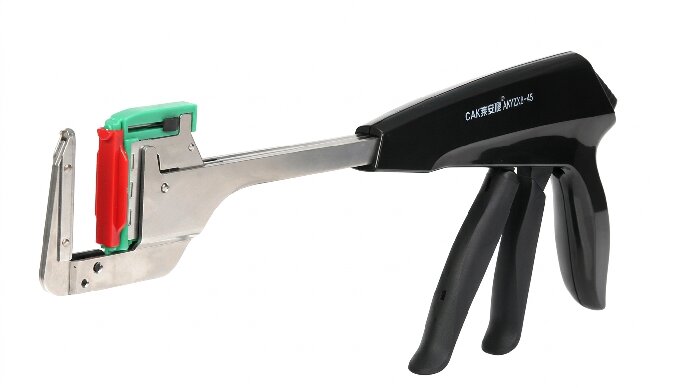
Consistent staple formation depends on multiple technical factors rather than one single product specification. When evaluating a surgical linear stapler, buyers should consider how different elements work together.
Important factors include:
Tissue thickness
Tissue characteristics influence compression and staple formation. Different tissue conditions may require different stapling configurations.
Tissue compression
Proper compression helps create a stable foundation for staple formation and supports consistent results.
Staple height
Staple height affects the final formed staple shape and should match the intended application.
Stapler alignment
Correct device positioning contributes to consistent staple-line formation.
Firing conditions
The overall device design and firing mechanism can influence how consistently staples are formed.
Device configuration
Staple-line length, cartridge options, and product specifications all contribute to the suitability of the device.
For hospitals and distributors, these factors are important when comparing different surgical stapler suppliers. A complete product portfolio with multiple configurations can better support different application requirements.
Choosing a surgical linear stapler requires more than comparing product sizes. Tissue thickness, staple height, staple-line length, and procedure requirements all influence whether a stapling configuration is appropriate.
A well-matched stapling solution considers the relationship between:
Tissue characteristics + Staple height + Staple-line length + Surgical requirements
By understanding how these factors affect staple formation, hospitals, surgical centers, and medical distributors can make more informed purchasing decisions.
CAK Medical provides linear stapler configurations with different staple-line lengths and staple heights to support diverse surgical applications. Buyers can evaluate product specifications and configurations according to their specific requirements.
Tissue thickness can influence compression and staple formation. Selecting an appropriate stapling configuration according to tissue characteristics is important for achieving consistent closure performance.
Different staple heights allow devices to better match different tissue conditions. The selected staple height influences the final formed staple shape and compression relationship.
Yes. Staple-line length determines the linear coverage area of the device. Different lengths may be suitable for different surgical fields and application requirements.
Yes. A linear stapler is designed to create a linear staple line without necessarily performing a cutting function. Its primary purpose is tissue closure through staple formation.
In many surgical stapling systems, cartridge colors may indicate different staple specifications or configurations. Buyers should refer to the specific manufacturer’s product documentation for accurate information.
Staple formation is typically evaluated through product quality testing, including assessment of formed staple shape, mechanical performance, and compliance with applicable medical device requirements.


 English
 français
 Español
 русский
 Deutsch
 italiano
 português
 العربية
 tiếng việt
 Türkçe

